
Dark Spots After Waxing: Why They Happen and How to Help Your Skin Heal
TL;DR: Dark Spots After Waxing — What You Need to Know
Dark spots after waxing are post-inflammatory hyperpigmentation (also known as your skin's way of throwing a fit after hair removal).
They’re actually pretty common, especially on certain skin types.
With the right care, they’ll fade within several months.
To help your skin heal, focus on gentle care, avoid friction, and use soothing products.
What Are Those Dark Spots and Why Do They Happen?

Here's the deal: your skin produces flat, discolored marks in response to irritation or physical trauma, like waxing.
Technically, it's called post-inflammatory hyperpigmentation (PIH), and it’s not a sign of waxing gone wrong.
What Causes Dark Spots?
Waxing pulls hair from the root, which can also stress your skin, causing melanocytes to overcorrect with extra pigment. That’s all!
Here’s what can lead to discoloration:
Inflammation from hair removal
Ingrown hairs
Friction from tight clothing
Improper waxing technique
Sensitive or reactive skin
Mild allergy to wax
Even small irritations can trigger pigment changes. That’s why aftercare matters just as much as the wax itself.
Other Skin Reactions That Can Look Like Dark Spots
Not every mark left after waxing is true hyperpigmentation.
You may also see:
Bumps after waxing: Raised red or white bumps caused by follicle irritation or ingrown hairs. When inflamed or picked at, they can leave behind dark marks that closely resemble PIH.
Folliculitis after waxing: Recurring pustules could be folliculitis, a bacterial or fungal infection of the hair follicle. Left untreated, it can cause dark spots during the healing process.
Irritation after waxing: Redness, tenderness, or sensitivity are totally normal reactions to waxing, especially in sensitive areas.
True PIH is flat and smooth, so any raised or fluid-filled spots are likely a different problem. If they’re spreading or changing, it’s time to call a dermatologist instead of reaching for a brightening serum.
Areas Most Prone to Post-Waxing Dark Spots

Let’s chat about dark spots after Brazilian wax. The bikini area is the highest-risk zone, thanks to thinner, more sensitive skin, and constant friction from clothing.
Other areas prone to dark spots:
The underarms
The upper lip
Legs (particularly where the skin is dry or prone to friction).
Post-waxing dark spots in these zones form faster and linger longer, which is why technique and aftercare matter most here.
Can You Prevent Post-Wax Dark Spots Completely?
Not always, but you can definitely lower your chances.
Here’s the tea:
Exfoliate gently 24–48 hours before waxing to reduce buildup and give the wax cleaner contact with the hair.
Avoid sun exposure before your appointment.
Go to trained professionals, like our incredible speed waxers at Ted D Bare.
Avoid waxing irritated skin, which can make things worse.
Never touch or pick the area after a wax.
Make preventing ingrown hairs after waxing part of your standard post-wax routine, not an afterthought.
Small changes and consistency can make a huge difference in your skin health.
How to Treat Dark Spots Left After Waxing
Already seeing spots? We’ll tell you what to put on skin after waxing to keep things silky, smooth, and happy.
Don’t overcomplicate it:
Soothe with aloe vera or fragrance-free lotions to calm inflammation.
Keep skin clean, and skip deodorant, tight clothing, and heavy products for at least 24 hours.
Hold off on exfoliation immediately post-wax. After 2-3 days, try a mild exfoliant to prevent ingrown hairs.
Introduce brightening ingredients, like niacinamide, kojic acid, or vitamin C, after the 48-hour mark.
We’ve said it before, and we’ll say it again: results don’t happen overnight. Stick with it!
Since inflammation is the root cause of PIH, calming it quickly (but gently) can dramatically reduce your chance of seeing those pesky spots.
FAQs About Post-Waxing Dark Spots
How long do dark spots after waxing last?
For most people, mild spots fade in 1-3 weeks, but deeper pigmentation can last a few months, depending on your skin.
Do dark spots mean the wax burned me?
Not necessarily. They can happen even with a perfectly executed wax. It’s just your skin's response (not a technique failure).
Should darker skin tones avoid waxing?
Darker skin tones may be more prone to dark spots, but with proper prep, technique, and aftercare, waxing definitely isn’t off-limits.
Should I just exfoliate more?
Hold your horses! Over-exfoliating freshly waxed skin can make things worse and deepen the issue rather than fix it. Gentle and consistent beat aggressive every time.
FAQs About Ted D Bare
What makes Ted D Bare different from other waxing studios?
Aside from being the most hilarious (and fun) waxing experience you’ll ever have, our pros deliver top-notch waxing in San Jose. We’re all about minimizing irritation and supporting long-term skin results, not just short-term smoothness.
Does Ted D Bare help prevent skin issues like dark spots?
We do our very best! Every visit starts with a full assessment, where we’ll consider everything from your skin’s sensitivity to past reactions. We’re also equipped with a full arsenal of amazing aftercare products.
Can Ted D Bare help with dark spots from previous waxing?
You betcha! We’ll guide you on how to safely wax while your skin heals and recommend the right routine to help fade existing spots.
Final Thoughts: Clearer Skin Starts With the Right Approach
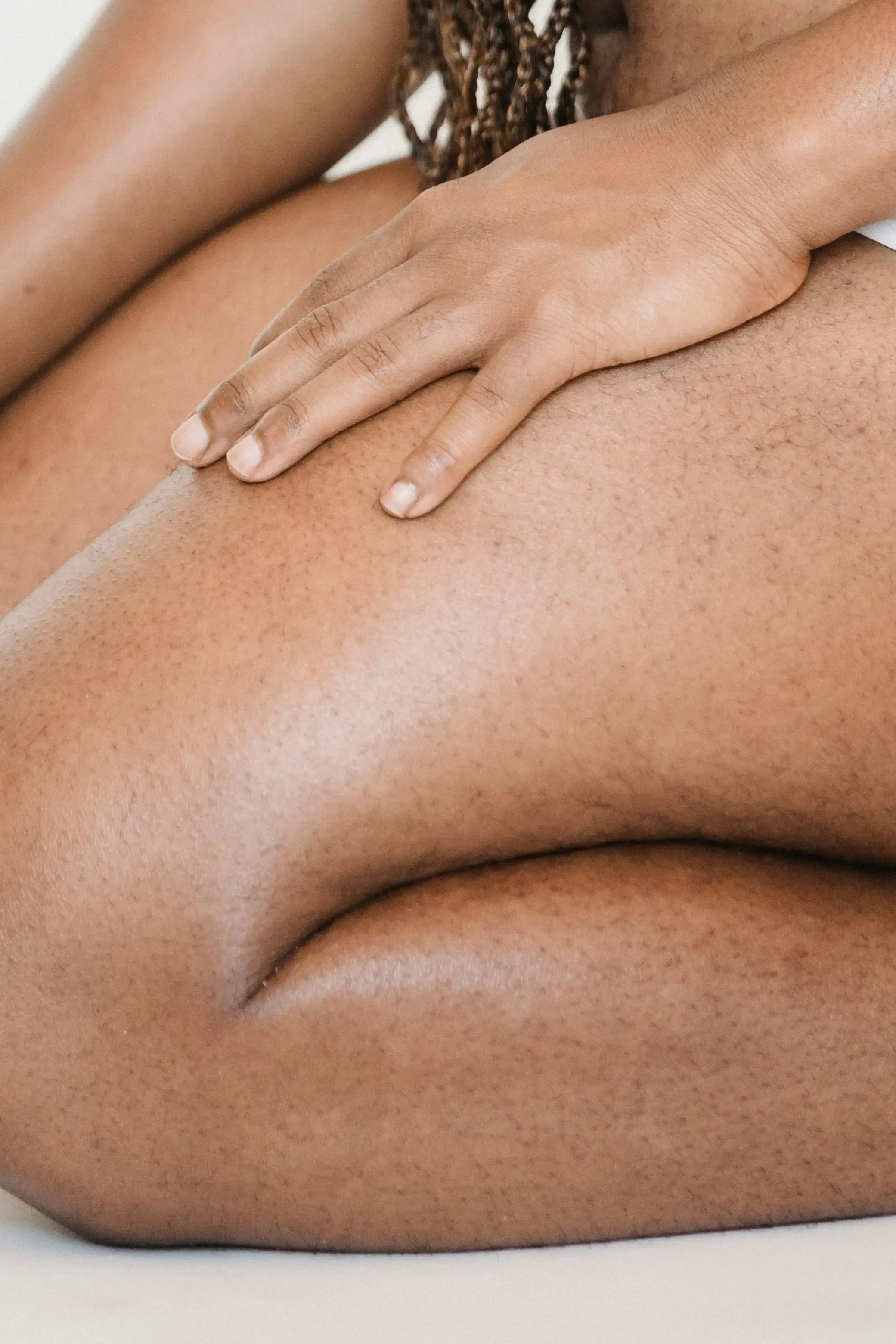
The good news? Dark spots are totally manageable. And at Ted D Bare, you’re getting skin-first waxing techniques, high-quality products, and personalized aftercare advice to stop them in their tracks.
That’s not us bragging; it’s about real results. When waxing is done right, your skin reacts better. Less irritation means fewer dark spots. Because at the end of the day, waxing should leave you feeling confident in your skin, not dealing with long-term issues. Book your appointment with us, and check out our blog for advice and answers to all your other waxing questions.