
DIY Waxing: What Can Go Wrong (and Safer Alternatives)
TL;DR: The Truth about At-Home Waxing
DIY waxing might seem quick and cost-effective, but it comes with real risks.
Common issues include burns, skin lifting, ingrown hairs, and infection, especially in sensitive areas like the face and bikini line.
Proper prep, technique, and aftercare matter more than most at-home guides explain.
If you want safer, more consistent results, professional waxing is often the smarter choice.
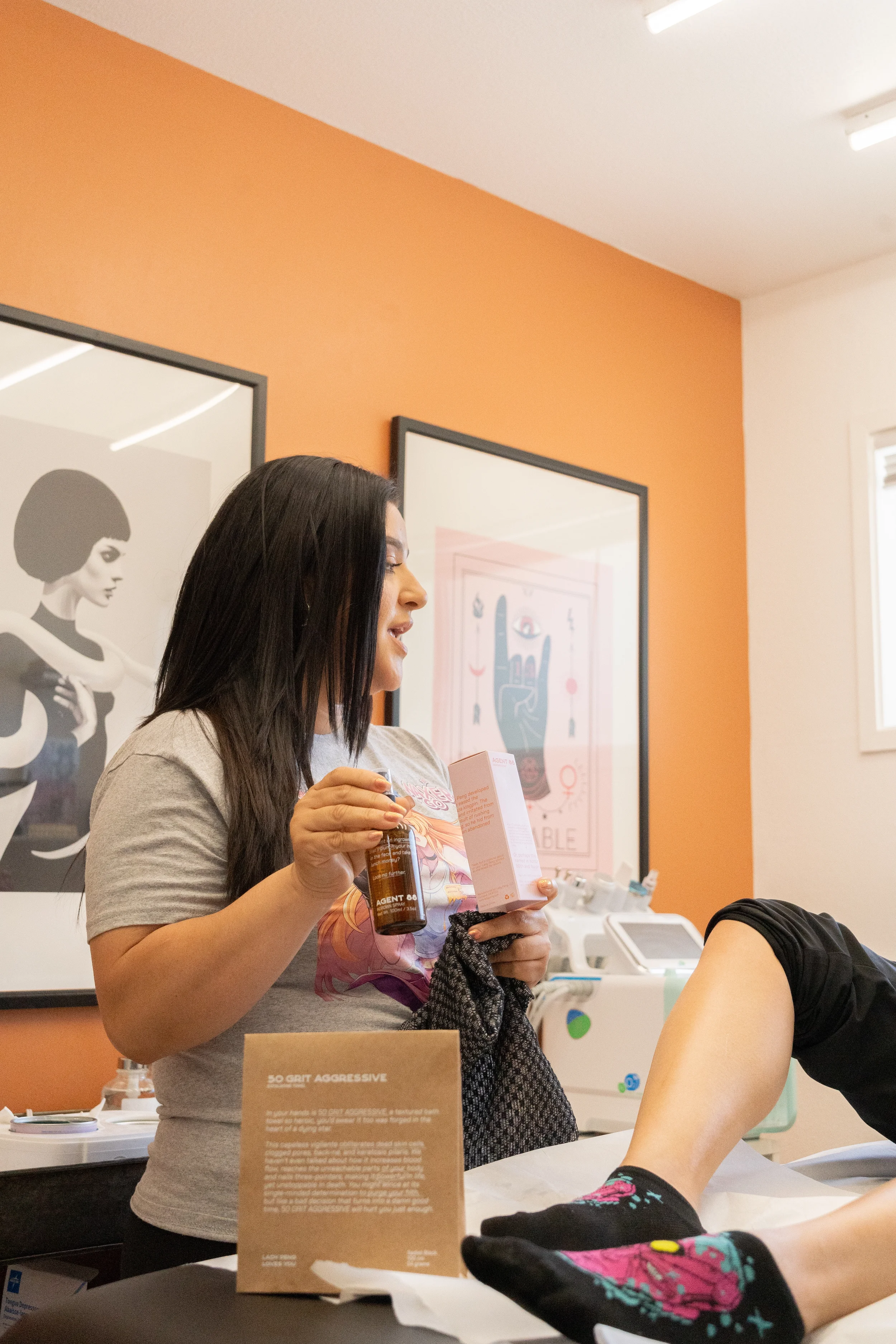
We get it. You’re standing in the drugstore aisle holding a box of wax strips, Googling “How do you do a bikini wax at home,” and wondering if you can save a little money and skip the salon.
DIY waxing sounds easy enough. Heat it. Spread it. Rip it. Done! But there’s a reason professional waxers go through training. When at-home waxing goes wrong, it can go very wrong and your skin pays the price.
Let’s break down what can happen, how to protect your skin, and the best alternatives to waxing when you’re not sure a home session is the move.
Burns From Overheated Wax
Microwaves heat unevenly. That means one part of your wax may feel fine while another is hot enough to burn, which is especially risky when waxing areas with thinner, more delicate skin (like your bikini line). Scalding wax can cause burns and long-lasting pigmentation, so make sure to always test temperature carefully!
Skin Lifting Is More Common Than You Think
This happens when wax removes the top layer of skin along with the hair. It’s painful and takes time to heal.
It often happens during waxing when:
Wax is too hot
You reapply wax to the same spot
You’re using retinol or exfoliating acids
You pull upward instead of parallel to the skin
Ingrown Hairs and Hair Breakage
Waxing should remove hair from the root. When technique is off, hair snaps instead.
Broken hair grows back under the skin, leading to painful ingrown hairs. Many people going the DIY route struggle with this because they aren’t following hair growth patterns correctly. Pulling harder doesn’t fix technique — it usually makes things worse.
Infection and Sanitation Issues
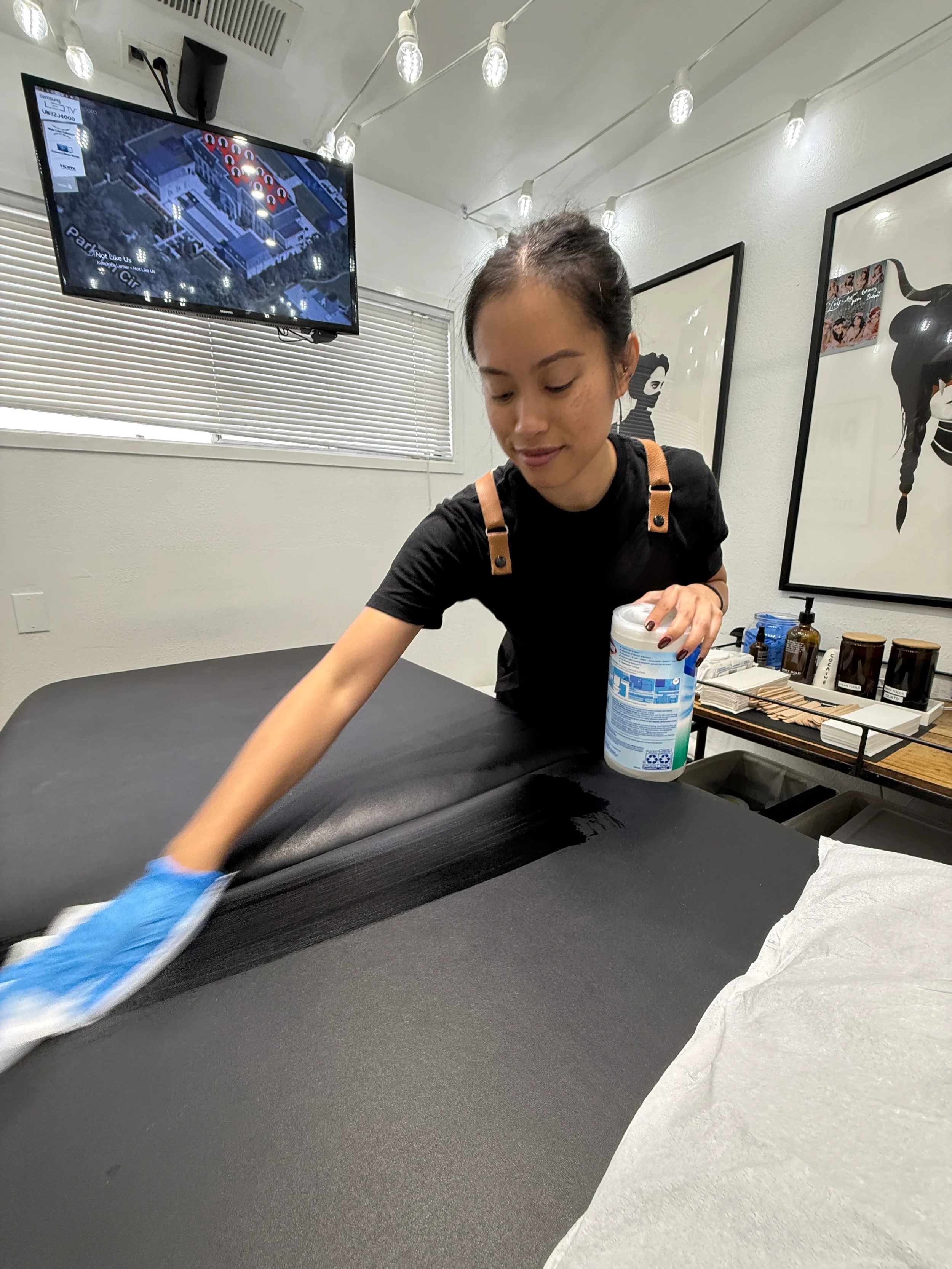
Professional wax studios follow strict sanitation rules. Your bathroom probably doesn’t.
Double-dipping into wax, touching freshly waxed skin, or waxing over irritated areas can introduce bacteria. We often see waxing clients with inflammation or small infections that could’ve been avoided.
How to Prep for a Wax
Whether at home or professionally, knowing how to prep for a bikini wax helps protect your skin.
Here’s what matters:
Let hair grow to about ¼ inch
Gently exfoliate 24-48 hours before
Avoid retinol and active acids for several days
Make sure skin is clean and dry
Trim overly long hair first
Good prep reduces irritation and ingrowns. Bad prep increases trauma.
How to Wax Your Face Without Damaging It
If you’re planning to wax your face, slow down! Facial skin reacts quickly, especially if you’re on acne medication, retinol, or prescription treatments.
If you attempt it:
Use facial-specific wax
Test the temperature on your wrist
Work in small sections
Never wax the same spot twice
Alternatives to a Brazilian Wax
Not everyone wants to commit to full removal (especially after a bad experience).
Here are some popular at-home alternatives that don’t involve damaging your skin:
Trimming for a neat look
A basic bikini line wax instead
Professional sugaring
Laser hair reduction
Alternatives to Waxing for Sensitive Skin
Some skin types just don’t tolerate wax well, and forcing repeated waxing sessions on sensitive skin usually leads to more irritation.
If you constantly react, consider alternative hair removal options, like:
Electric trimmers
Depilatory creams (patch test first)
Threading
Why Professional Waxing Is Safer
Professional waxers are trained to:
Control temperature
Follow the direction of hair growth
Hold skin taut
Avoid over-waxing
Maintain sanitation standards
Help with aftercare
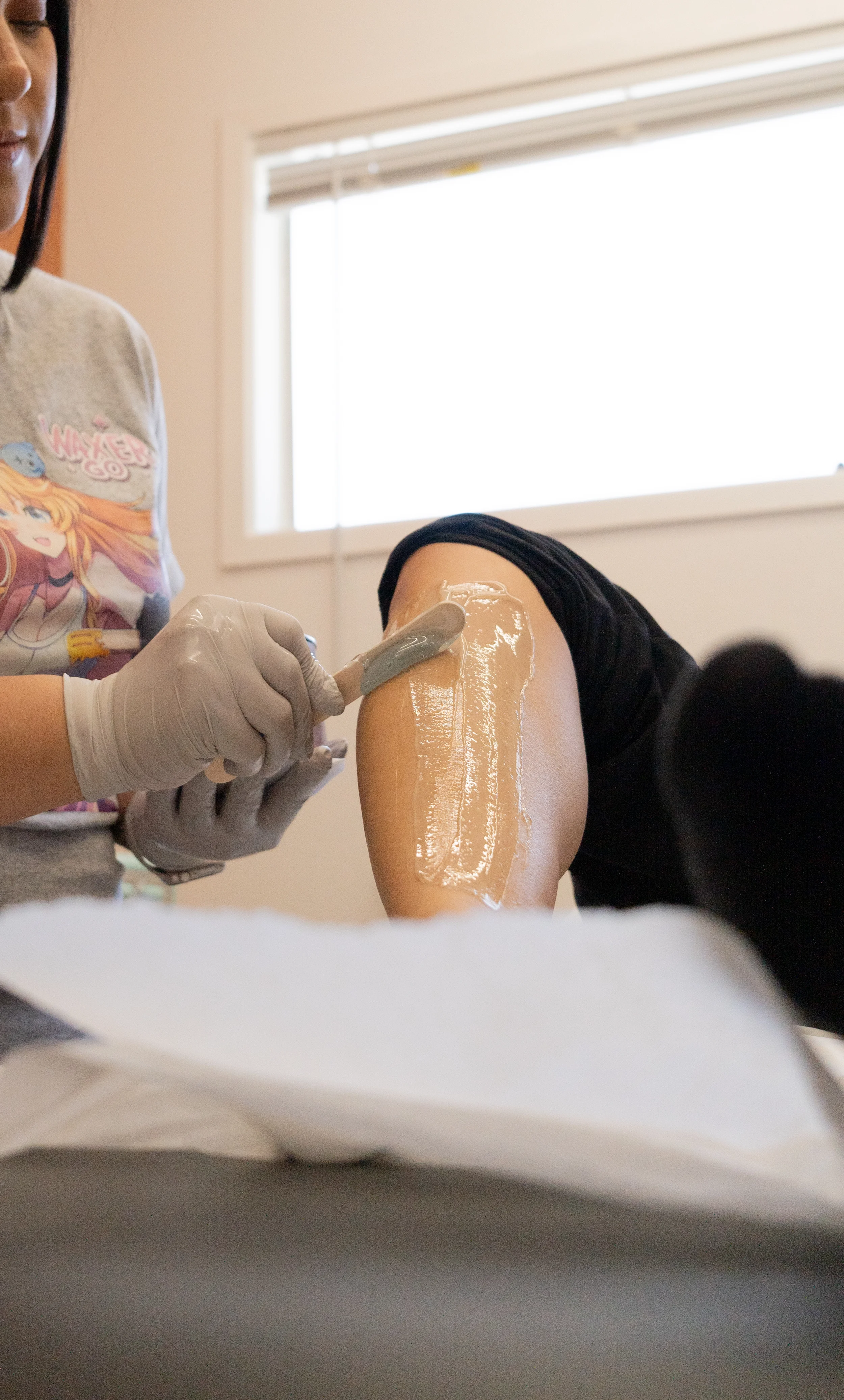
If you’re considering waxing in San Jose, working our licensed team of professional speed waxers can reduce the risks dramatically.
TL;DR: Training, technique, and experience can make a dramatic difference in your waxing experience.
What Most Bikini Wax Guides Don’t Tell You
A bikini wax guide will give you general advice, not personalized skin safety guidance. It rarely explains contraindications like:
Recent chemical peels
Retinol use
Sunburn
Prescription acne medication
When DIY Waxing Might Be Okay
We’re realistic. Some people will try the at-home method no matter what.
If you do, make sure to:
Start with less sensitive areas, like lower legs
Never reapply wax repeatedly
Follow proper prep
Follow aftercare instructions
Avoid starting with the bikini area or face if you’re inexperienced!
FAQs About Ted D Bare
What services does Ted D Bare offer?
Our team of waxing experts in San Jose specializes in facial and body speed waxing, including bikini and Brazilian services.
How long should I wait between waxing appointments?
Most people schedule waxing every 4-6 weeks, allowing hair to complete a full growth cycle so it can be removed properly from the root. Waxing too soon can lead to uneven results.
Is redness normal after waxing?
Temporary redness happens because hair is removed from the root, slightly inflaming the follicle. Mild redness typically fades within a few hours. Persistent swelling or blistering is not normal and should be evaluated.
Can I wax while on my period?
Yes, but your skin may feel more sensitive during your cycle due to hormonal changes. If you book an appointment, wearing a tampon or menstrual cup is typically recommended for bikini services.
Why choose Ted D Bare instead of at-home hair removal?
Because your skin deserves professional care. We focus on safe technique, sanitation, and long-term skin health.
Itching to ditch the at-home stress? Check out our blog for hair removal tips and tricks and prep guides, or contact our Ted D Bare experts when you need the professional touch. We’ll take things from there!
