
PCOS Hair Removal: 10 Facts Everyone Should Know
TL;DR: PCOS Hair Removal Made Simple
PCOS can cause excess facial and body hair due to hormonal imbalances.
There’s no one-size-fits-all solution for PCOS hair removal.
Waxing, laser, shaving, and electrolysis all have pros and cons.
Hair removal methods like waxing and laser can reduce PCOS hair regrowth, but maintenance might still be needed.
Consistency and proper skin care make a huge difference.
If you’re dealing with stubborn facial or body hair, you’re not alone! Living with PCOS can feel overwhelming, especially when unwanted hair feels like a daily struggle. Many people with PCOS struggle with excess hair growth, and it can take a toll on confidence.
The good news? You have options. This guide breaks down the facts about PCOS hair removal, explains why hair growth happens, and gives you practical steps you can take right now. Our team of experienced speed waxing experts at Ted D Bare are ready to help you tackle hair wherever you find it (and in less than 7 minutes — no joke!), so you can enjoy silky-smooth skin with minimal stress and downtime.
Let’s get into it.
1. PCOS Can Cause Excess Hair Growth
One of the most common symptoms of PCOS is hirsutism, or excess hair growth. This happens because the body produces higher levels of androgens, which stimulate thicker, darker hair in areas where women typically have minimal growth.
Many people notice increased hair growth with PCOS along the chin, upper lip, jawline, chest, stomach, or back. This type of body hair is hormonal, which means you haven’t done anything wrong (and it’s actually more common than most people realize).
2. PCOS Hair Removal Is Not One-Size-Fits-All
When it comes to hair removal, there’s no universal fix. What works beautifully for one person may be frustrating for someone else. Your skin type, hair thickness, hormone levels, pain tolerance, and budget all matter.
Some people prefer low-cost, quick solutions, while others want long-term reduction and are willing to invest more time and money. The key is finding the best approach that fits your lifestyle and feels manageable long term.
3. PCOS and Hair Removal Go Hand in Hand
The relationship between PCOS and hair removal can be a complicated one. Because PCOS is a hormonal condition, hair growth can continue, which means maintenance often becomes part of your regular routine.
Instead of expecting permanent perfection, it helps to think in terms of management. Consistent treatments, realistic expectations, and patience make a big difference when dealing with PCOS body hair.
4. Facial Hair Is the Most Common Concern
For many people, PCOS facial hair removal is the top priority. Facial hair is visible, which can make it feel more urgent or distressing. Areas like the chin, upper lip, jawline, and neck are the most common spots for thicker growth.
Shaving, waxing, threading, laser, and electrolysis are all great options. If you’re searching for the best hair removal for PCOS on the face, laser or electrolysis often provide longer-term reduction. The catch: they require multiple sessions and can be more expensive. That’s why many people prefer regular waxing or threading for a practical and effective solution.
5. Waxing Is a Popular Option for PCOS Hair Removal
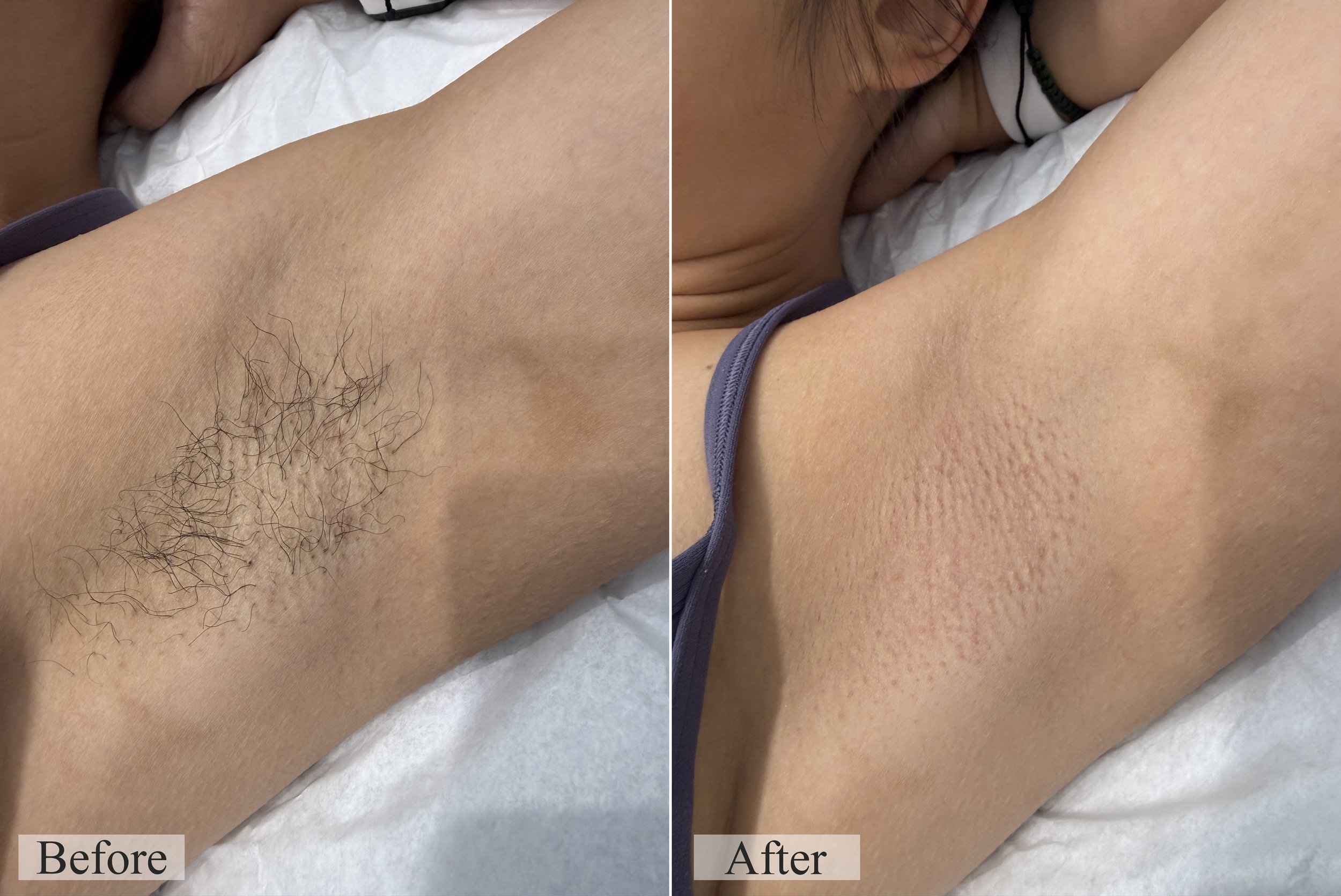
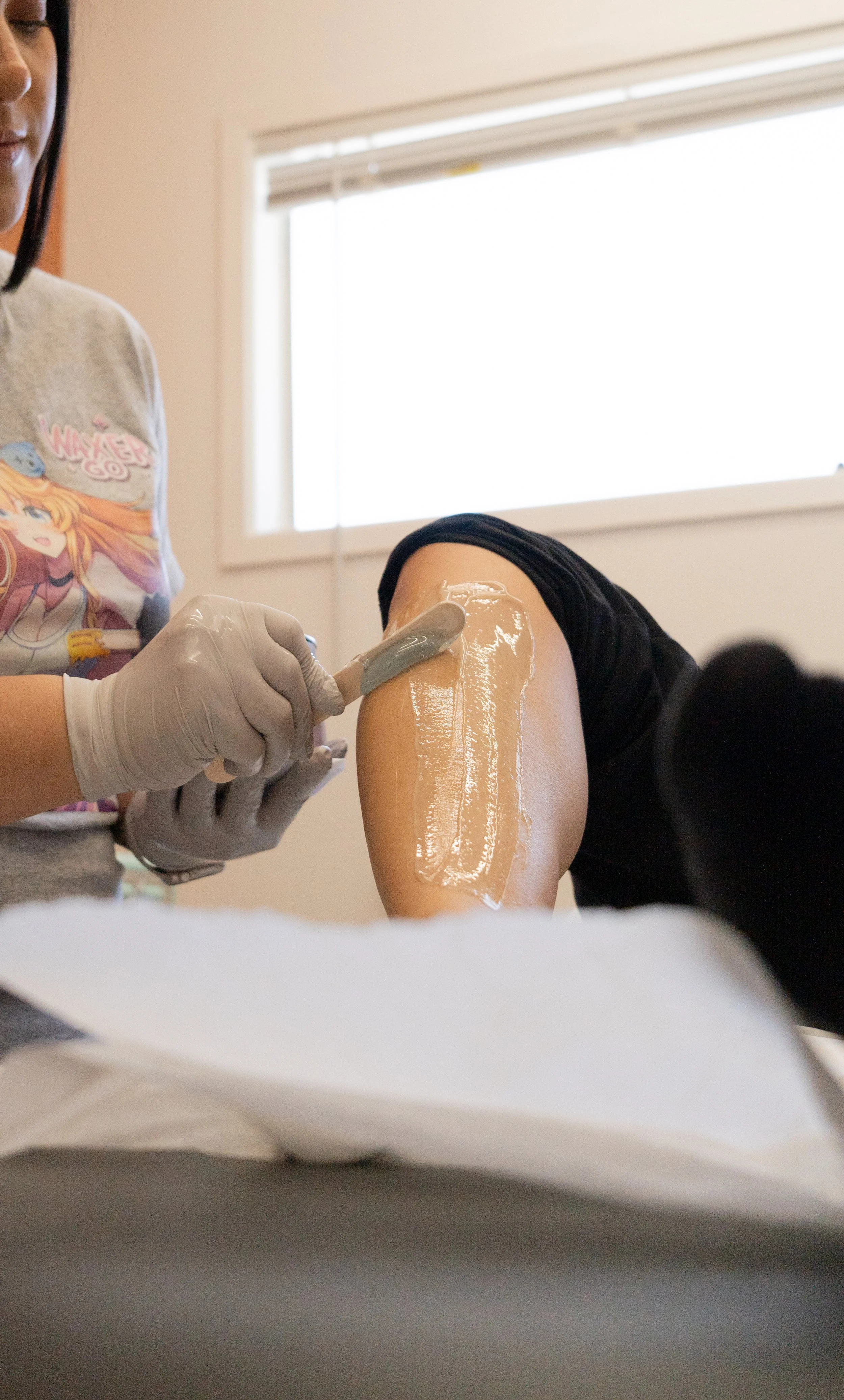
PCOS waxing is one of the most popular methods because it removes hair right from the root, with minimal downtime. This means smoother skin for several weeks instead of just a few days. As an added bonus, consistent waxing weakens the hair follicle over time, leading to softer regrowth.
There are a lot of waxing myths floating around, but professional waxing services like waxing in San Jose with Ted D Bare, can be especially helpful if you have sensitive skin or thicker hair. Working with an experienced expert can reduce irritation and improve results.
Most people with PCOS schedule appointments every three to five weeks, but the exact schedule is up to you. Sticking to a regular cycle helps maintain smoother skin and reduces the shock of heavy regrowth.
6. Shaving Isn’t Bad (But It’s Short-Term)
Shaving is fast, affordable, and accessible. Despite common myths, it does not cause hair to grow back thicker. However, when managing PCOS body hair, shaving typically requires frequent upkeep. Stubble can appear quickly, especially if hair is coarse.
For some, shaving works well between other hair removal appointments. For others, daily shaving becomes frustrating. It really depends on how quickly your hair grows and how much maintenance you’re comfortable with.
7. Laser Hair Removal Can Reduce PCOS Hair Regrowth
Laser hair removal is often considered one of the more effective long-term solutions for hair removal for those with PCOS. The laser targets pigment in the hair follicle, damaging it and slowing future growth.
Over time, many people with PCOS see significant reduction in hair regrowth. Hair often becomes thinner, lighter, and slower to return. But because PCOS is hormone-driven, new follicles can sometimes activate later, and maintenance sessions may still be necessary.
Laser also tends to work best on those with hair coloring /skin pigment contrast, which means those with dark hair against pale skin will have the best results. Those with dark hair/dark skin tend to have less effective results. Lasering also requires multiple sessions spaced weeks apart, so patience is key.
TL;DR: Laser doesn’t “cure” PCOS. But it can make managing hair growth with PCOS much easier.
8. Consistency Is More Important Than Perfection
Let’s face it: excess hair growth can be super stressful, so many people jump from one method to another hoping for instant results. With any kind of hair removal, consistency usually works better than constantly switching approaches.
Choosing a method and sticking with it allows you to track progress realistically. Hair cycles take time. Whether you’re waxing, shaving, or doing laser treatments, it’s important to remember that visible improvement often takes months rather than days.
Instead of:
Trying extreme treatments
Switching methods constantly
Expecting overnight results
Focus on:
A realistic routine
Regular appointments
Skin care between sessions
9. Skin Care Is Just as Important
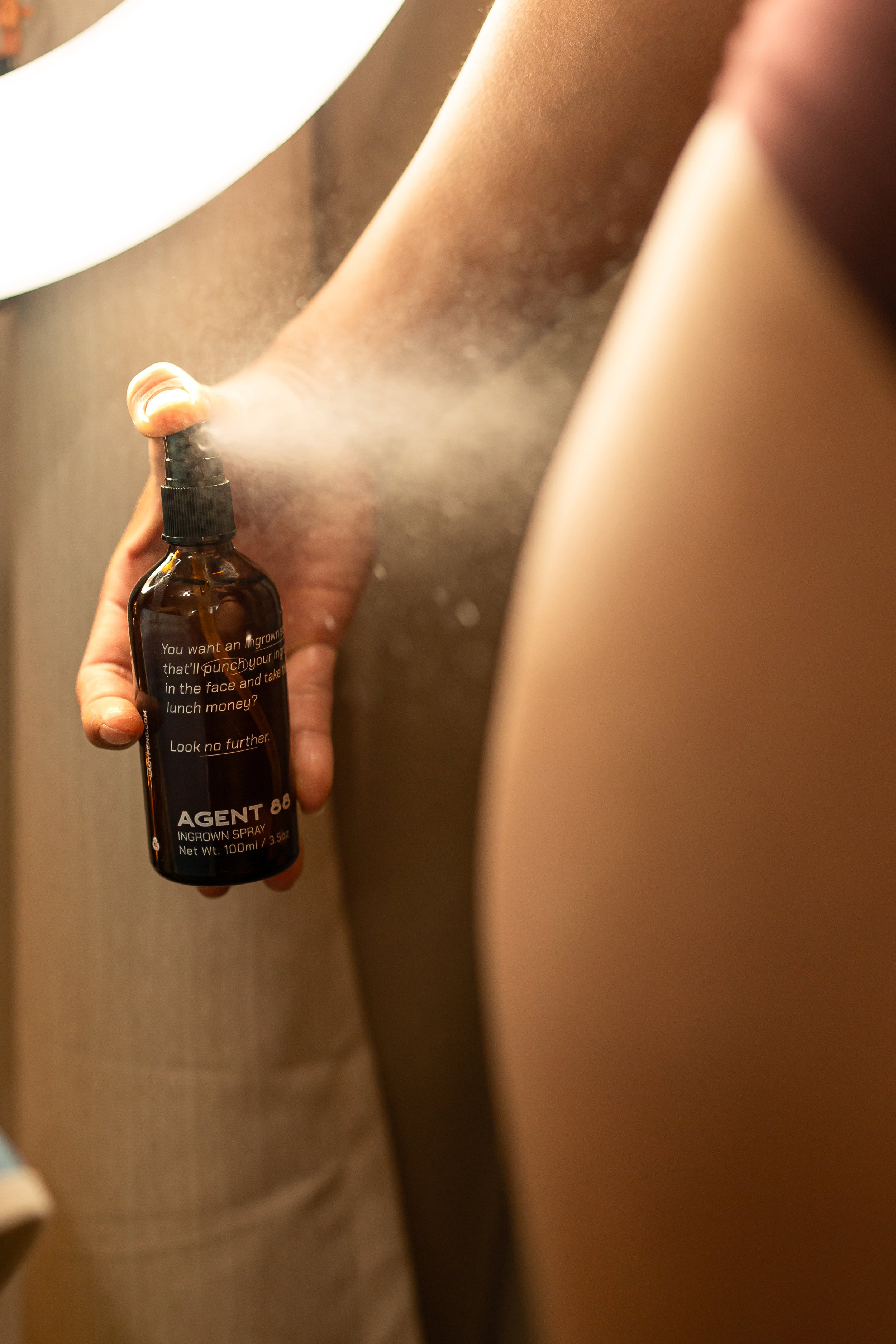
No matter what method you choose, frequent hair removal can irritate the skin. Redness, ingrown hairs, and bumps are common issues, especially with thicker growth. Gentle exfoliation and fragrance-free moisturizers can help maintain smoother skin.
The key to any hair removal is exfoliating regularly (and especially when waxing). This helps prevent ingrown hairs, which can be more common when hair is coarse. After treatments, soothing products like aloe vera are key for calming irritation.
TL;DR: Healthy skin supports better results, no matter which removal method you choose.
Aftercare Tips
Exfoliate gently 2–3 times a week
Avoid harsh scrubs
Use fragrance-free moisturizers
Apply soothing aloe vera after waxing
Avoid sun exposure immediately after treatments
10. Emotional Impact Is Real (And Valid)
Let’s talk about something people don’t mention enough: the emotional side. Excess hair caused by PCOS can impact confidence and self-image. It can influence how you feel in social settings, relationships, and even at work. These feelings are valid.
The connection between PCOS and hair removal is not just about appearance. It’s about comfort and self-esteem. Finding the best hair removal method for PCOS is as much about emotional relief as it is about smoother skin.
You deserve to totally feel comfortable in your body while managing your symptoms.
There’s No “Perfect” Solution — Only the Right One for You
Here’s the truth: Managing unwanted hair with PCOS can feel frustrating, but you’re not stuck. With the right information, the right routine, and realistic expectations, PCOS hair growth is something you can totally manage with confidence, instead of stress.
You don’t have to figure this out alone — our experienced Ted D Bare team gets it! If you’re ready for smoother skin and straight talk about waxing in San Jose, check out the rest of our blog for practical advice, skincare Q & As, preparation guides, and our hair removal services.
